

Escalator Steps and Mechanical Components
The smooth, faultless, and fully safe support surface is the basis for the operation of any continuous passenger transportation system. The main component of this system is the escalator steps, which are subjected to huge static, dynamic, and fatigue loads during operation. Continuous movement, vibrations, and the impact of environmental conditions (especially for external or semi-open devices) mean that the bodies and related components of escalator steps must meet the most stringent strength standards required by the Office of Technical Inspection (UDT). In our wholesale store, we offer top-quality spare parts for professional maintenance companies, ensuring reliability, quiet drive operation, and absolute user safety.


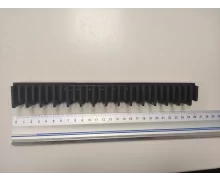
Escalator Steps - FAQ
Modern steps for escalators are most commonly made of pressure die-cast aluminum or pressed stainless steel. This provides maximum resistance to dynamic loads while maintaining relatively low weight, reducing wear on drives and suspension chains.
The fastest-wearing components of escalator steps are plastic demarcation inserts (yellow safety edges) that are prone to abrasion and cracking, as well as small aluminum ribs susceptible to damage from foreign objects getting stuck. Guides and rollers attached to the step body are also often replaced.
According to UDT guidelines, steps for escalators and their components should be replaced in case of broken ribs of the body (risk of losing meshing with the comb plate), mechanical damage to the side edges, structural cracks in the casting, as well as total wear or absence of demarcation inserts defining the safe parking zone.
Yes, our offer includes precisely made components of escalator steps compatible with devices from the most important manufacturers on the market, such as Otis, Kone, Schindler, ThyssenKrupp, or O&K. We supply both standard-width 600, 800, and 1000 mm bodies, as well as operational details for specific catalog numbers.
In order to precisely fit the components of escalator steps, it is necessary to identify the manufacturer and model of the target device, as well as determine the nominal dimensions of the step. When ordering demarcation inserts or overlays, the OEM part number is required, or sending us photographic documentation that will facilitate the identification of the mounting groove profile.
Structure and Key Elements of Escalator Steps
Although from a passenger's perspective a step may seem like a simple structure, in reality it is a sophisticated casting covered with precise guiding systems and warning systems. We offer not only complete mobile platforms, but also precisely made individual elements of escalator steps. In our assortment, you can distinguish:
- Main bodies (aluminum and steel) - complete escalator steps with standardized market widths (usually 600 mm, 800 mm, 1000 mm). Made by pressure die-casting, they ensure structural rigidity and stability.
- Demarcation inserts (yellow edges) - these are made of plastic elements of escalator steps designed to mark the safety zone for travelers. Their bright color visually prevents passengers from standing directly on the contact edges.
- Ribbing on the tread surface - small profiles on the step surface that interlock with comb plate teeth at the exit landings, eliminating the risk of clothing or luggage being pulled in.
- Sliding guides and axle mountings - key elements of escalator steps that directly cooperate with the chain drive roller system and the track, influencing the maintenance of correct belt movement geometry during curve breaks.
Why are High-Quality Escalator Steps Crucial?
In commercial facilities with high traffic volume (e.g., shopping malls, railway platforms, metro stations), escalator steps go through thousands of cycles per day. Damage to just one detail poses a risk of chain damage. For example, chipping a rib may lead to comb teeth breaking at the top end, which in turn immediately immobilizes the machine through safety systems. Any cracks in plastic and metal also pose a real threat to passengers' feet and hands. Therefore, conducting regular visual inspections of the belt is crucial. If technicians identify mechanical defects on the contact surfaces, cracked elements of escalator steps must be immediately replaced with those compliant with the Original Equipment Manufacturer's specifications.
Wide Selection for Leading Equipment Brands
Our B2B offer aims to provide compatible solutions for the entire spectrum of machines present in the Polish market. You will find with us escalator steps and their precise components dedicated, among others, to installations of companies such as Otis, Schindler, Kone, ThyssenKrupp, and O&K. We encourage maintenance engineers and technicians to establish ongoing collaboration. Thanks to our large inventory, we can quickly deliver the necessary elements of escalator steps and minimize technical downtime in serviced facilities. Our advisors will help you select replacements based on the model specification, crane construction year, or technical-operational documentation data (DTR).